
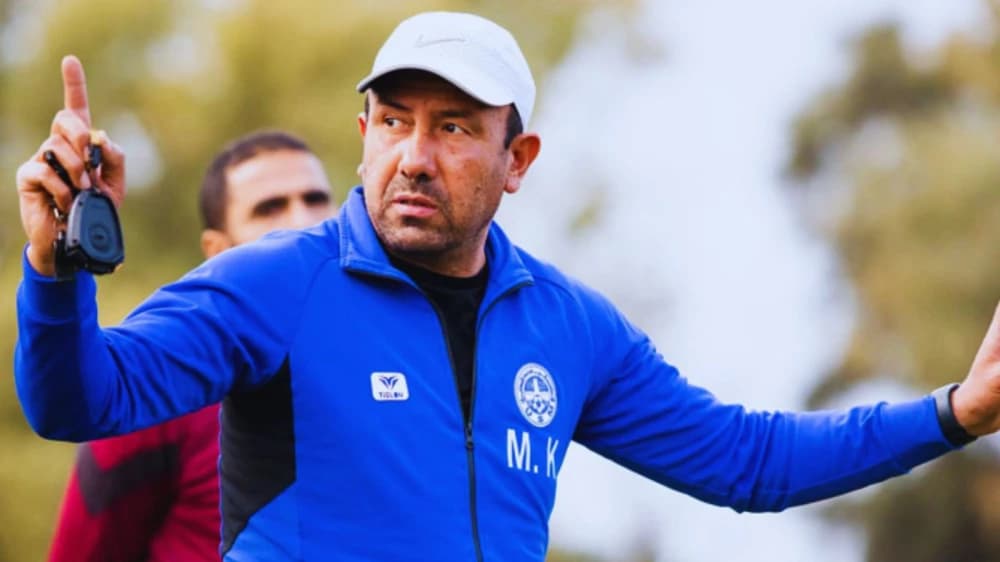
Mohamed Kouki, with proven success in regional football, aims to restore Al-Tai FC’s position and instill a competitive edge, promoting stability and growth within the squad.
Mohamed Kouki, an experienced football manager from Tunisia, has been appointed as the head coach of Al-Tai FC. He brings a wealth of experience and strategic insight to the team in the Saudi First Division League. His appointment comes after several recent managerial changes at the club, including previous managers Leonardo Ramos and Aleksandar Ilić. Al-Tai is aiming to stabilize and regain its footing after being relegated from the Saudi Pro League.
Kouki, originally from Tunisia, has established a strong reputation in the football circles of North Africa and the Middle East. Throughout his career, he has taken on managerial positions at various clubs in Tunisia, Sudan, Saudi Arabia, and the UAE, recognized for his disciplined tactical approach and ability to develop cohesive teams under pressure. His most significant recent achievement before joining Al-Tai was leading Al-Hazem to promotion from the Saudi First Division League, showcasing his understanding of the competition's challenges and dynamics.
Al-Tai FC, located in Ha'il, has turned to Kouki following a challenging 2023–24 season that culminated in relegation to the First Division. The club brought in Uruguayan coach Leonardo Ramos in April 2024 for the final phase of the season, but despite some encouraging performances, the team could not secure its position in the top division. Subsequently, Serbian manager Aleksandar Ilić was appointed in July 2024 but was dismissed just three months later due to a string of poor results.
The club's choice to hire Mohamed Kouki stemmed from his impressive history of rebuilding teams and successfully navigating promotion challenges. His primary task at Al-Tai is to energize a squad that has undergone considerable changes since their relegation and to foster a sense of consistency and confidence that will enable the team to strive for a comeback to the Saudi Pro League.
Kouki's tactical style is generally defined by a well-structured 4-2-3-1 formation, which focuses on solid defensive organization and rapid transitions. He has a reputation for being adaptable, often adjusting his strategies according to the players at his disposal and the strengths of his opponents. This practical approach has proven beneficial across various leagues, and Al-Tai's management is optimistic that he will be able to duplicate his previous achievements in Ha'il.
Since his appointment, Kouki has managed a modest revival in performance. As of April 2025, Al-Tai FC is currently positioned 7th in the Saudi First Division League standings. While pushing for promotion remains a challenge, there is hope within the club that stability under Kouki’s leadership could establish a foundation for long-term success. His presence has also renewed focus on the club’s youth development and player recruitment strategies, both essential for teams looking to return to top-tier competition.
Kouki's time at Al-Tai adds another chapter to his path through the competitive world of Middle Eastern football. For Al-Tai, his joining signifies an opportunity to reset and rebuild with a clear vision and skilled leadership. It remains to be seen if he can guide the club back to the upper echelons of the Saudi Pro League, but his hiring has certainly brought fresh energy and ambition to a team eager to recover.
Tactical Philosophy and Approach
Mohamed Kouki is well-known for his practical and organized tactical philosophy, which prioritizes structure, discipline, and flexibility. His coaching style focuses on forming tightly-knit teams that are hard to break down while also enabling his teams to swiftly transition from defense to offense. This strategy has established him as a successful figure in leagues throughout North Africa and the Middle East, especially in clubs that are under pressure to deliver results without having access to elite-level player rosters.
The core of Kouki’s tactical approach lies in his emphasis on a strong defensive setup. He often utilizes a 4-2-3-1 formation, but he remains flexible, adjusting his tactics based on the players available and the opponent's strengths or weaknesses. This formation helps him achieve a balance between defensive solidity and attacking adaptability. The two holding midfielders play a crucial role within this system, tasked with protecting the defense, disrupting the opposing team’s attacks, and efficiently recycling possession. They also act as the starting point for counter-attacks, which is a vital aspect of Kouki’s tactical philosophy.
Defensively, Kouki requires his players to maintain discipline and positional awareness. His teams are characterized by a compact formation, effectively minimizing space between the lines and forcing opponents to maneuver around instead of through them. He focuses on coordinated pressing in the midfield area rather than implementing a high press across the whole field, which allows his players to save energy while still being effective at regaining possession. In his system, full-backs are advised to prioritize their defensive responsibilities and be judicious with their overlapping runs, only venturing forward to support attacks when clear opportunities arise.
Kouki's offensive strategy is methodical and thoughtful. Although his teams don't usually dominate possession, they capitalize efficiently on the ball when in control. The attacking midfielder and wide players are vital in connecting the midfield to the solo striker. Kouki advocates for his wide players to cut inwards and aid the attack, often employing quick exchanges and movements to breach defensive structures. The lone striker is expected to be agile and proficient in holding the ball, thereby creating opportunities for advancing midfielders and wingers.
Transitions are a key aspect of Kouki's game strategy. His teams are trained to quickly move from defense to offense as soon as they regain possession. The goal is to take advantage of opponents who are out of position by using direct passes to wide areas or into spaces behind the defense. On the other hand, when possession is lost, his teams are instructed to quickly reorganize into their defensive formation, reducing potential weaknesses during the opposing team's counterattacks.
Kouki's ability to adapt is a key feature of his tactical approach. He is recognized for changing his game plans based on the dynamics of the match or the strategies of his opponents. When facing teams that are favored to win, he is willing to implement a more defensive setup, focusing on solidifying the backline. In contrast, against opponents of a similar or lesser standing, he encourages his teams to be bolder, advancing full-backs further up the pitch and maintaining periods of intense pressure.
Set pieces play a crucial role in Kouki’s tactical framework. He prioritizes both offensive and defensive set-piece strategies, understanding their significance in closely contested games. His teams are usually well-structured during corners and free-kicks, complete with assigned responsibilities and practiced movements that can surprise their opponents.
Mohamed Kouki’s tactical philosophy is a well-balanced combination of structure, discipline, and adaptability. His emphasis on defensive strength, strategic attacking moves, and tactical realism has enabled him to achieve success in various leagues with diverse teams. His ability to organize teams effectively and modify strategies based on game situations has earned him respect in the regional football coaching community.
Team Management & Player Growth
Mohamed Kouki's strategy for managing his squad and developing players is characterized by discipline, structure, and a sharp eye for identifying talent while fostering team cohesion. His techniques are influenced by his vast experience in regional football, especially in the Saudi and Tunisian leagues. Kouki prioritizes building a well-rounded team that operates harmoniously, ensuring that each player comprehends their role within the larger tactical framework.
Central to Kouki’s team management approach is a well-defined allocation of roles and responsibilities for each player. He makes sure that team members thoroughly understand their tactical tasks, whether they have possession of the ball, are defending, or navigating transitions. His training sessions imitate real match situations, emphasizing organization, defensive positioning, and teamwork in pressing. Kouki has a reputation for promoting a strong work ethic, where training performance directly affects matchday selections, thereby fostering a meritocratic environment.
Kouki strongly believes in the importance of discipline both on the field and off. He has high expectations for his players to uphold professional standards regarding fitness, behavior, and dedication. Team rules are applied consistently, and a foundation of mutual respect is integral to his management approach. This emphasis on discipline frequently results in teams that exhibit strong cohesion, tactical awareness, and resilience during challenging times.
When it comes to assembling the team, Kouki aims for a mix of seasoned leaders and up-and-coming young talents. He prioritizes versatility and often seeks players who can fill multiple roles, providing him with increased flexibility in both team selection and tactical adjustments. While he values the experience and leadership of senior players, he also holds them accountable by applying the same standards expected of the entire squad.
A key aspect of Kouki’s strategy is player development, especially the integration and advancement of younger players. He is known for recognizing potential talent and creating an environment where they can flourish within the first team. Under Kouki's guidance, young athletes are gradually acclimated to the challenges of senior football, emphasizing both mental and physical preparedness. He facilitates mentorship from experienced teammates and carefully tracks their growth through consistent feedback and tailored training programs.
Kouki works closely with fitness coaches, technical staff, and the medical team to effectively manage player workloads. Ensuring injury prevention, establishing recovery routines, and developing individualized conditioning programs are all prioritized to maintain peak performance levels throughout the season. His comprehensive approach also takes into account nutrition, psychology, and lifestyle, with the goal of supporting the overall well-being of the team.
A key element of Kouki's approach to squad management is his tactical use of substitutions and player rotation. He carefully analyzes the strengths and weaknesses of his opponents to determine his line-ups, ensuring that he doesn't overburden crucial players. By implementing rotation, he not only maintains player freshness but also provides chances for squad members, fostering healthy competition for spots in the team. This method boosts morale and keeps the entire squad motivated and engaged.
During transfer windows, Kouki takes a systematic approach to identify the right type of players needed to strengthen the squad. He steers clear of short-term solutions or high-profile signings that do not fit his system, opting instead for individuals who align with the team's tactical identity and work ethic. His recruitment strategy often focuses on addressing specific weaknesses, enhancing depth, and assembling a team that can effectively implement his game model in various match situations.
Mohamed Kouki's strategy for managing the squad and developing players is characterized by discipline, structure, and a focus on the future. He effectively balances tactical requirements with the growth of his players, ensuring the team functions as a cohesive, competitive, and motivated group. His capability to uphold high standards while cultivating young talents has earned him respect from both the players and club management, laying a strong groundwork for immediate achievements and long-term viability.
Important Matches & Performance Insights
Mohamed Kouki’s time at Al-Tai FC has already included several significant matches that shed light on his managerial influence and the team's developing identity. These important games and the related performance patterns illustrate Kouki’s tactical approach, his decision-making in high-pressure situations, and the team’s adjustment to his strategies. Although it is still early in his tenure at the club, the matches conducted under his leadership provide insight into the advancements Al-Tai has achieved since his arrival, as well as the challenges they continue to encounter in the Saudi First Division League.
One of the first significant matches during Kouki’s tenure occurred shortly after his appointment, as Al-Tai faced another team vying for promotion. This game served as a crucial test for Kouki’s tactical approach. Al-Tai showcased a solid defensive performance, maintaining a compact 4-2-3-1 formation that frustrated their opponents. Despite having limited possession, Kouki’s team took advantage of a swift counter-attack in the second half to clinch a narrow 1-0 victory. This outcome not only earned them three vital points but also highlighted Kouki’s focus on organization, tactical discipline, and efficient execution.
In the following matches, a distinct pattern emerged: Al-Tai, under Kouki's leadership, became increasingly difficult to penetrate defensively and performed notably better against more formidable opponents, allowing them to adopt a reactive game plan. This was particularly visible in a draw against one of the league leaders, where Al-Tai effectively handled the pressure and executed their counter-attacking strategy with skill. The midfield double pivot was crucial in disrupting the opposition's play and initiating transitions, showcasing Kouki's well-organized approach.
Challenges arose in matches where Al-Tai was anticipated to control possession. When facing lower-tier teams, the squad sometimes found it hard to break through well-organized defenses. This highlighted an area where Kouki’s practical strategies were put to the test, particularly regarding creativity and fluidity in the final third. In these games, even with dominance in both territory and pace, Al-Tai frequently struggled to turn opportunities into goals, resulting in points dropped in matches that were considered winnable.
A crucial moment occurred during a match in which Al-Tai achieved a strong 3-1 victory at home. This performance demonstrated a growing sense of confidence and unity within the team. The full-backs participated more actively in offensive plays, and the team maintained a higher pressing strategy. Kouki’s comments after the match emphasized the players’ improving comprehension of their tactical responsibilities and the necessity for ongoing focus on execution. This result not only improved the team's ranking but also lifted their spirits.
Despite these high points, inconsistency has been a recurring issue. Al-Tai's performance away from home has been uneven, with the team finding it difficult to maintain their defensive structure and attacking effectiveness in challenging environments. A particularly disappointing loss saw Kouki’s team concede twice from set pieces, an aspect they had previously managed well. In response, the manager has increased the focus on defensive drills in training, underscoring the importance of concentration and communication.
Statistical analysis of Kouki’s matches indicates that the team has been conceding fewer goals compared to the beginning of the season, with a significant increase in clean sheets. However, offensively, the number of goals scored remains low, highlighting the necessity for improved attacking efforts. In response, Kouki has been rotating his attacking midfielders and wingers to find a more reliable source of creativity.
Regarding substitutions and in-game management, Kouki tends to favor conservative changes aimed at preserving leads instead of pursuing wins aggressively. This approach has proven effective when in the lead, but it has faced criticism in situations where the team required a more urgent response.
Mohamed Kouki’s time at Al-Tai FC has been marked by a focus on tactical discipline, improvements in defense, and selective victories in critical matches. While there are evident signs of advancement, particularly in the team’s structure and resilience, ongoing success will hinge on enhancing creativity and consistency, especially in games where Al-Tai is required to take the lead. The important matches to date showcase a team that is developing under Kouki’s leadership but still has vital aspects to improve in the quest for promotion.
Public and Media Perspectives
The appointment of Mohamed Kouki as head coach of Al-Tai FC has elicited mixed reactions that are gradually evolving from both fans and the media. His arrival occurred during a challenging time for the club, following their relegation from the Saudi Pro League and the exit of two head coaches within a few months. Initially, the choice to hire a Tunisian coach with regional experience sparked cautious optimism, especially among fans longing for stability and direction.
From the beginning, Kouki's reputation as a disciplined and tactical manager played a significant role in shaping the initial narrative of his time in charge. Media outlets focusing on Saudi football emphasized his previous achievements, including his success in leading Al-Hazem to promotion, portraying his hiring as a strategic decision by Al-Tai's management to recruit a coach with a deep understanding of the challenges in the First Division League. This early media portrayal established Kouki as a methodical leader capable of rebuilding the team and setting the foundation for a promotion campaign.
Among the supporters, there was a mix of reactions. Some fans were hopeful that Kouki's methodical approach would bring the defensive structure that had been missing in the team's past seasons. Conversely, others expressed doubt about whether his practical tactics would be sufficient to return the club to the top division. Conversations on social media and fan forums highlighted a yearning for a more attacking style of play, with some questioning whether Kouki’s strategies were too cautious for a club eager to make a swift return to prominence.
As the season advanced, fans' perceptions began to change in reaction to the team's performances on the field. A series of clean sheets and enhanced defensive efforts garnered praise for Kouki, who had successfully tightened the backline and brought much-needed stability to a team that had been suffering heavy losses. Supporters recognized the newfound structure and determination in the players’ performances, particularly during matches against tougher opponents, where the team achieved favorable outcomes.
Nevertheless, media analysis highlighted persistent issues, especially when it came to overcoming teams that adopt a defensive approach. Experts pointed out the team's lack of attacking fluidity and raised questions about its creativity in the final third of the field. Fans echoed these criticisms, expressing worry over the team's struggle to score consistently, particularly during home games where they anticipated more commanding performances. Despite these reservations, a considerable number of supporters remained loyal to Kouki, acknowledging the limitations of the current squad while recognizing the steady improvements in discipline and organization.
Kouki's communication approach has significantly influenced how the public perceives him. His calm and respectful demeanor in press conferences has garnered positive feedback from both journalists and fans. He consistently highlights the team's collective efforts and refrains from assigning blame to individuals during tough times, a quality that has garnered him respect even when facing challenges. Media outlets have recognized his professionalism and dedication to long-term growth, portraying him as a coach who values process rather than quick solutions.
A significant aspect of fan response has been the growing support for Kouki’s inclusion of young players. His readiness to provide opportunities to emerging talents has garnered positive reactions, with fans viewing this as an indication of his commitment to the club’s future. Local media have pointed out these decisions as proof of Kouki’s larger vision, emphasizing not only results but also the importance of establishing a sustainable foundation for long-term success.
The perception of Mohamed Kouki among fans and the media at Al-Tai FC is one of cautious support and increasing appreciation. Despite valid concerns regarding the team's offensive performance, both supporters and journalists have acknowledged the enhancements in defensive organization, team cohesion, and overall professionalism. As results progress, Kouki's standing is likely to strengthen, with many fans optimistic that his methodical approach can eventually guide Al-Tai back to the Saudi Pro League.
Future Opportunities
Looking forward, the future outlook for Mohamed Kouki at Al-Tai FC is closely linked to the club's ambition of making a comeback to the Saudi Pro League and creating a solid foundation for sustained success. With a clear tactical framework already in place and noticeable enhancements in defensive organization, the upcoming phase of Kouki's tenure will be evaluated based on the team's consistency, progress in attack, and competitiveness at the upper levels of the First Division League.
One of the key factors determining Kouki’s future at the club will be the team’s performance. Following relegation, both the management and fans have high expectations, and the pressure to achieve promotion is a crucial goal. If Kouki can guide the team into the promotion race, his position will be greatly enhanced. His successful history with clubs like Al-Hazem, where he achieved promotion, instills confidence in his ability to replicate that success with Al-Tai.
To achieve promotion, ongoing development is necessary, particularly in offensive play. Kouki has established a solid defensive base, but it is crucial to enhance attacking fluidity and creativity in matches where Al-Tai is expected to dominate. The upcoming transfer windows will allow Kouki to further develop the squad, focusing on players who can embody his strategic approach while also injecting attacking energy. The club’s commitment to supporting him in recruitment will be vital in determining the team's progress.
Kouki's structured approach and focus on youth development reflect a long-term vision that is conducive to sustainable growth. His readiness to include young players in the senior team indicates that his priorities extend beyond immediate achievements; he aims to cultivate a squad that can evolve together over time. This emphasis on development may be advantageous for the club if it seeks to create a stable foothold in the top division instead of experiencing a cycle of promotion and relegation.
Kouki's adaptability is another important aspect of his future. As the season advances and league dynamics change, his capacity to modify strategies and tackle various challenges will be crucial. His prior experience in different leagues within the region shows that he can handle diverse situations, which could prove to be a significant advantage during the intense final stretch of the season.
The support from the club's board will play a significant role in determining his future. If the management remains patient and dedicated to his vision, Kouki will be able to establish a unified team over several seasons. On the other hand, any extended decline in performance or inability to meet performance standards may result in increased scrutiny, especially in a highly competitive, results-oriented league setting.
From the perspective of fans and the media, the overall sentiment towards Kouki has shifted to a cautious optimism. If he continues to show improvement, build trust through consistent communication, and achieve results, public support is expected to increase. This support can give him the necessary leeway to implement additional changes and guide the team towards both immediate objectives and long-term aspirations.
The future of Mohamed Kouki at Al-Tai FC looks promising, but it will depend on several key factors—ongoing tactical development, strengthening of the squad, adaptability, and alignment with the club’s goals for promotion. If he can overcome current challenges in attacking play while maintaining the improved defensive framework, he will be well-equipped to guide Al-Tai into a new and successful era.